



Trade shows are great business opportunities to drive brand awareness and acquire new customers. Whether you have been an exhibitor in the past or you are planning your first one, proper preparation is needed to boost your chances of success. Trade shows are expected to be more competitive than ever, so it’s essential for businesses to thoughtfully plan their presence.
What is a trade show?
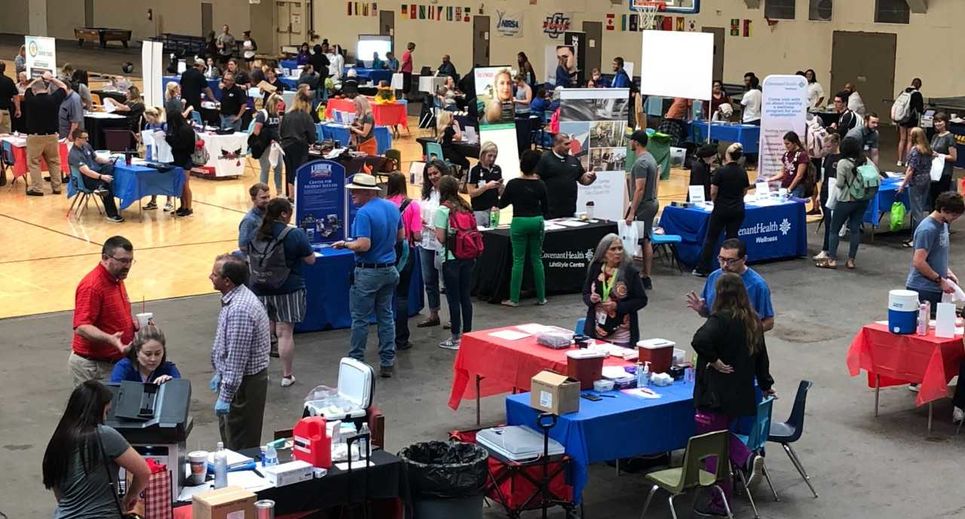
A trade show, also known as a trade fair or trade exposition, gathers companies from one sector together to exchange product updates and launches, discuss industry advancements, promote networking, and even showcase product launches. Usually hosted at arenas or large event spaces, these revolve around a specific theme or interest group to facilitate business amongst each other.
Define your trade show objective
A common mistake is to start looking for trade show ideas or start with your booth design, even before knowing what you want from the event. At this stage, you must set a clear objective. If this is not clearly stated before starting the planning phase, as we’ll see in just a second, there is a high chance your participation won’t be effective.
Typical objectives include driving sales, forming partnerships, and increasing brand awareness. Although the ultimate goal is still likely to get more revenue, your route and positioning can set you up for success.
For example, consider the owner of a sports shoe company. They might be doing reasonably well with their existing product line but are starting to see sales lag a bit. The company developed a new sustainable shoe and will promote it at the conference. While aiming to sell the shoe directly is an obvious choice, consider the event’s audience. If this is a business-to-business industry event, it might be most effective to tailor your booth and collateral to focus on the value you can bring to distributors rather than directly focusing on the benefits to the end customer.
Pre-trade show checklist: 5 key steps
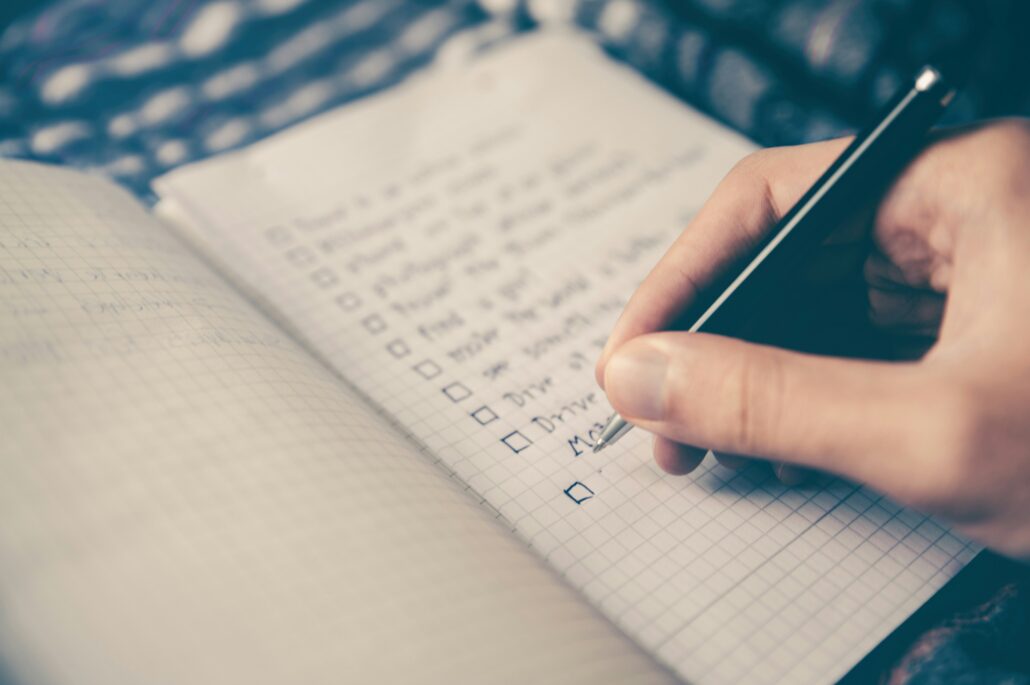
If your plan, including the previously defined objective and the following five steps, is very detailed and precise, then preparing for your upcoming trade show shouldn’t be hard. This section will explain how that is possible and what to remember.
1. Conduct market research
Analyze the landscape
Before getting into the specifics of booth design and promotional activities, it’s essential to deeply understand the market and competitor landscape of the trade show you will be attending. For that, you should:
- Analyze your competitors’ trade show displays from the past to see what worked and what didn’t. Note that ideas that haven’t worked in the past could work in different settings and times; don’t mindlessly just close the door to these!
- Talk to people who have attended fairs in the past so you can get feedback on how to participate successfully in an event of this magnitude and maximize your ROI.
Identify upcoming trade shows to attend
If you haven’t attended any trade show in a long time, you should attend one before having a booth. There are many of these year-round, but you should pick one closest to your industry to get the most out of your visit.
The following are some of the largest in California:
- IMTS (International Manufacturing Technology Show): September 9 – 14, 2024
- G2E (Global Gaming Expo): October 7 – 10, 2024
- NACS Show (National Association of Convenience Stores: October 7 – 10, 2024
- Greenbuild International Conference and Expo: November 12-15, 2024
- CES 2025 (Consumer Electronics Show): January 7-10, 2025
Follow emerging industry trends.
It’s essential to identify trends before they start and become widespread. In addition, you should look at what’s happening in your industry and pay attention to those trends that have worked in other settings that you can adapt to your specific case.
Some of these include:
- Instagramable backdrops. Perfect to boost social media engagement and brand awareness.
- Immersive brand experiences have recently become more important. Brands now look for ways to make an impact on potential customers’ minds, and immersion is a key element to making this happen.
- Add greenery to your pop-up display. Whether real or fake, plants add a very cozy and picture-ready scene.
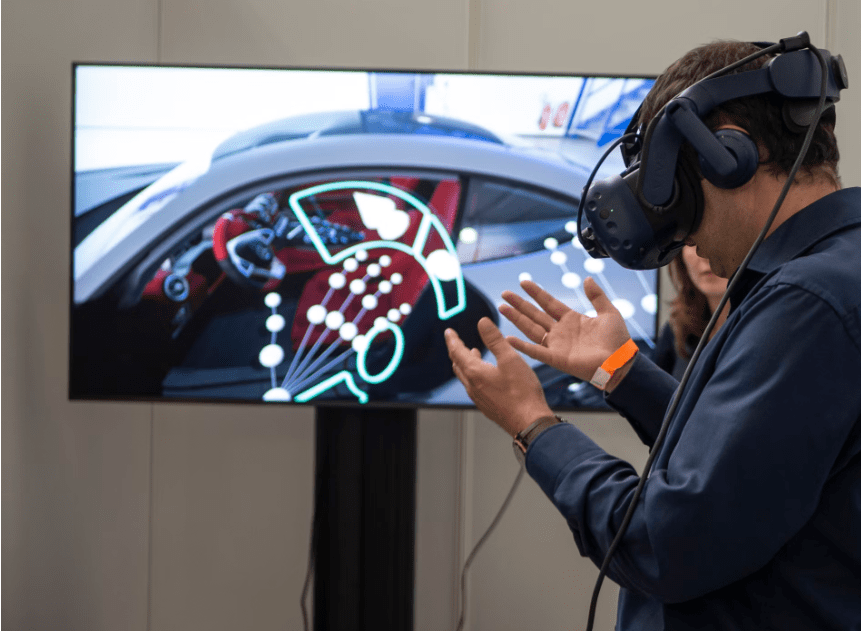
- Personalized experiences. Whether this means giving personalized products or souvenirs to your booth visitors or building a trade show booth design with a VR zone, all this helps create memorable experiences, making your attendance a success.
2. Define a budget and KPIs:
Budget and KPIs are essential to ensure your participation at this event is practical and measurable.
Budget
The budget you set should align with your objectives while also prioritizing key areas such as booth design, promotional materials, and even trade show supplies. Then, based on the goals you defined at the beginning, allocate funds wherever needed to achieve them, such as getting eye-catching displays for lead generation or investing in high-quality materials for branding purposes.
KPIs
To track your booth effectiveness, you will need metrics like the number of leads generated, online brand engagement, partnerships formed, and, finally, to track the overall success of the ROI from this event.
3. Planning Activities to host at your stand:
To maximize trade show visitor engagement at your booth, you most likely will need to plan activities that catch people’s attention and leave a lasting impression on them. For example, this can be done by:
- Planning live and interactive demonstrations of your product or service
- Giving exclusive previews of your new upcoming product or service
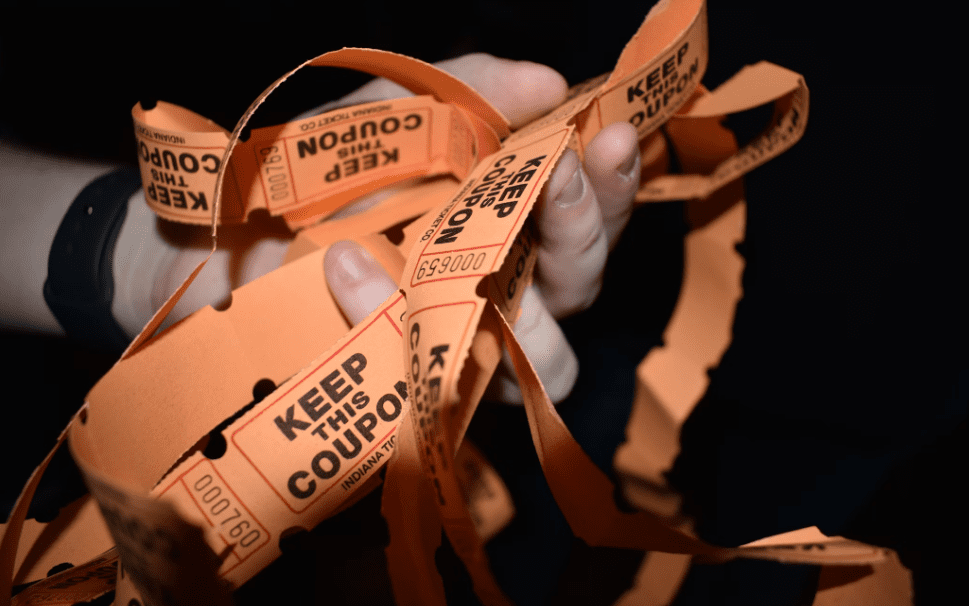
- Hosting giveaways (trade show swag) to promote your brand and provide free goodies.
- Hosting trade show games to encourage participation and potentially translate into leads.
4. Design your company’s stand:
Creating an eye-catching trade show booth design is essential in creating a solid and long-lasting impression on attendees.
First, you should visualize the booth layout, followed by incorporating insights from the market research and the planned activities you previously did. Once this is done, it’s time for the most exciting part: choosing the right furniture.
There are many pieces of furniture booth organizers use. Here are some of the most common ones:
But it doesn’t end here. Once you have chosen the furniture, you can often customize it with your logo, brand slogan, or any catchy message or image you want to display. You need to make sure they all align with your brand’s guidelines since, depending on the kind of print you choose, this will or will not have the desired effectiveness and expected ROI.
5. Promotional activities and material
Last but not least, we have trade show marketing. It begins before the event and continues throughout.
Before the event
The marketing strategies before the trade show starts have the goal of building anticipation as well as driving traffic to your booth. These tend to be done offline and can include:
- Email marketing
- Social media teasers
- Paid targeted ads
- Traditional media (TV, radio, newspapers)
During the event
This promotion phase features activities at your booth and designated trade show areas. Here are a few ideas to consider:
- Give away fun/cute souvenirs with your company’s logo. They should be helpful outside of the event so your attendees use them and get constantly reminded of your company. These can include trade show bags, pens, cups, and others.
- Provide fliers with your primary contact information, new product promotions, or any information that might help your prospects reach out to you.
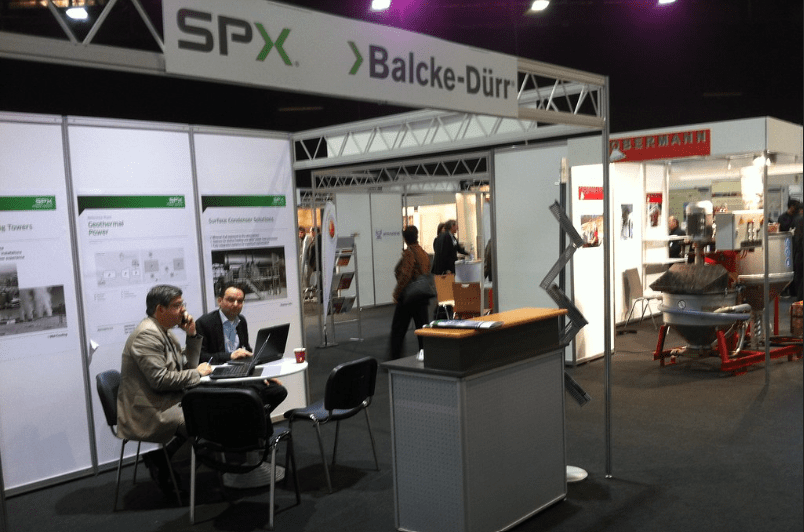
- Build an eye-catching booth. While this may sound obvious, your stand will be your attendees’ first impression of your company. Don’t overlook the importance of trade show furniture and display items such as signage, exhibition stands, and banners. These are crucial in getting the attendees’ attention and conveying your brand’s message.
Conclusion
Your participation at a trade show is an excellent opportunity to showcase your brand, make connections in the sector, and even close deals with customers and suppliers. You should first define and set your goals with a realistic budget, design a memorable and engaging booth, and plan booth activities to captivate your audience. Thanks to this, you can maximize your trade show participation. To deliver a successful trade show booth experience, remember the previous steps to ensure a positive ROI and make this a long-lasting marketing campaign.